
Lafayette Court Docket Searches
Lafayette publishes no online case-search form, citation lookup, document request form, or confirmed payment tool for its court. The paper in hand is the real starting point. Whatever court is named there decides whether the request stays with the city or moves to Macon County.
- Read the citation or notice for Lafayette Municipal Court or Macon County General Sessions.
- For Lafayette Municipal Court, call 615-666-2194 and ask for the city court record route.
- Give the citation or case number, court date, and the exact Lafayette record sought.
- For a county case, use Macon Case Search with the right court and case type.
- Ask whether a plain or certified copy is available and where it can be picked up.
- Confirm the next setting with the clerk before appearing.
An appeal goes through Tennessee Public Case History, and a federal Lafayette matter belongs to PACER and the Middle District of Tennessee. Those tools sit above the local level. Neither one replaces the city or the Macon County clerk.
Lafayette Court Access by the Numbers
Lafayette ranks as the largest incorporated city in Macon County. The 2020 Census counted 5,584 residents. QuickFacts puts the July 1, 2025 estimate at 6,020. That decennial count is what sets the city ranking. Lafayette also serves as the county seat. City and county court offices sit close together, but their records stay separate.
The split matters when you walk in the door. Lafayette Municipal Court holds sessions at a city police facility. Macon County trial courts meet at the Justice Center. A city name on a filing does not by itself tell you which office keeps the record.
Inside the Lafayette Municipal Court
The city's official Lafayette Municipal Court page posts the recurring schedule. It also lists Andrew Stanford as Judge Pro Tem. That office handles city matters only. It shares nothing with Macon County General Sessions, the Circuit Court Clerk, or the Chancery Clerk and Master. The official Lafayette city page shows the current schedule and the judge listing.

The city website points visitors toward Lafayette services and municipal-court information. Its general bill-pay tools are not a confirmed Lafayette docket or fine system, so treat them cautiously until the city confirms otherwise.
Lafayette Court Locations Differ
Three addresses, three purposes. City Hall sits at 200 East Locust Street. The published Lafayette court session takes place at the Lafayette Police Department, 118 East Locust Street. The Macon County Justice Center sits at 904 Highway 52 Bypass East. Use the court location printed on your notice, not the routine City Hall address.
| Lafayette place | Public role | Use |
|---|---|---|
| Police Department | Published municipal session site | Follow the city court notice |
| City Hall | City contact and routing | Ask for the current City Court Clerk |
| Justice Center | Macon County court cluster | County Circuit or General Sessions route |
Make a call before you drive anywhere. Lafayette customer-service hours and the monthly court session are two different things, and neither promises a record clerk will be on hand at some other location.
Finding Lafayette Court Dates
Lafayette Municipal Court meets on the fourth Tuesday of each month at 2:00 p.m. at the Police Department. That is a standing public calendar for the court, not your personal docket entry. Your ticket or notice holds the first date tied to your own case. Treat the monthly schedule as background, not as the answer.
| Date | Fourth Tuesday of each month on the published Lafayette schedule. |
|---|---|
| Time | 2:00 p.m.; confirm the time shown on the notice. |
| Location | Lafayette Police Department, 118 East Locust Street. |
| Judge | Andrew Stanford is listed as Judge Pro Tem. |
| Setting Type | Municipal appearance or other city-court setting stated in the record. |
If your date has moved or clashes with the citation, call the city. A county online event belongs to a Macon County court only, so do not substitute one unless the case was filed there.
Lafayette's Fourth-Tuesday Docket
The fourth-Tuesday cadence is Lafayette's most stable public calendar detail. Macon County posts no complete daily county docket on its public pages. That sets the two routes apart. The city gives residents a fixed rhythm to plan around. The county route leans on case search. Confirmation from the clerk fills the gap. The official Lafayette calendar source shows the schedule and judge listing.
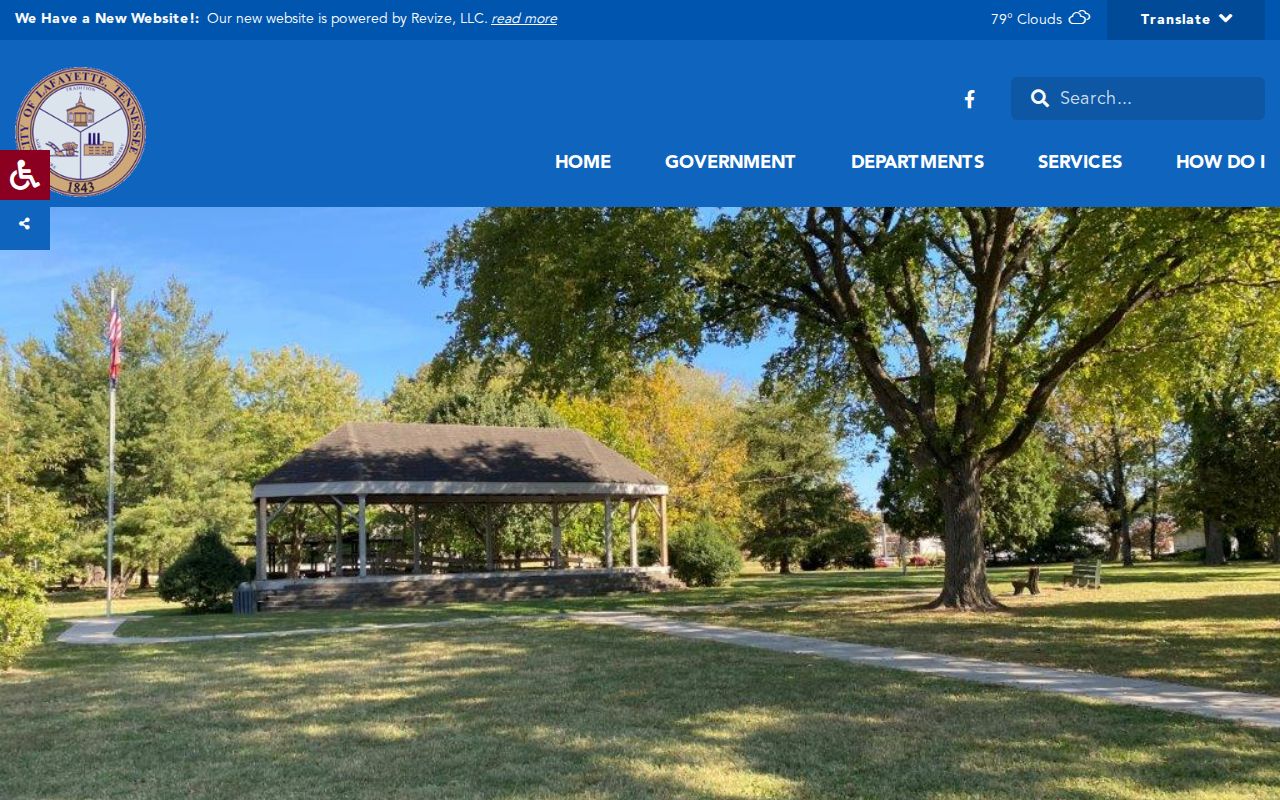
Use the recurrence to spot the likely city session, then confirm your own Lafayette setting. A canceled or reset matter can land outside the usual month.
Lafayette Traffic Ticket Lookups
A Lafayette ticket may name the city court or Macon County General Sessions. Read the court line before anything else. For a city citation, call Lafayette. Give them the citation number, date, and name exactly as printed. The city has no online citation search. A state-law matter filed in General Sessions is different. Search the county portal with General Sessions and Criminal selected, using the case number and year if you have them. County payment access exists. It should not carry a Lafayette city ticket unless the record and the clerk send payment there. The wider split is laid out in Macon County traffic court records.
Lafayette Court Roles in Plain Terms
Lafayette sources use titles from different layers of the system. Mix them up and your docket request lands at the wrong office. Ask for the office that keeps the named case, not just "the courthouse."
- Municipal Court
- The Lafayette city court function for matters within city authority.
- Judge Pro Tem
- The judicial title shown for Andrew Stanford on the current Lafayette page.
- General Sessions
- The Macon County limited-jurisdiction court reached through the county route.
- Circuit Court Clerk
- Rick Gann's county office, which supports Circuit and the local county portal path.
Chancery roles: The Chancellor and the Clerk and Master hold separate jobs. A case does not move from Lafayette city court records into Chancery simply because both offices sit in Lafayette.
How Lafayette Cases Reach the County
The Chancery Chancellor and the Clerk and Master form yet another layer. Lafayette city court records never turn into Chancery records just because both offices serve people in Lafayette.
Docket flow: Lafayette Municipal Court › Macon County Courts › Macon County Circuit Court
These are layers, not a path every case follows. Search the court printed on your record. When a Lafayette matter leaves the municipal level, the Macon County court docket gives the county-wide overview.
Lafayette Federal Court Records
Federal cases never show up in the Lafayette municipal route or the Macon County portal. They live in a different system. Macon County sits in the Northeastern Division of the U.S. District Court for the Middle District of Tennessee. PACER is the public federal docket system for those cases. The Middle District divisions page lists Macon in the Northeastern Division. Cookeville serves as the closest division seat.
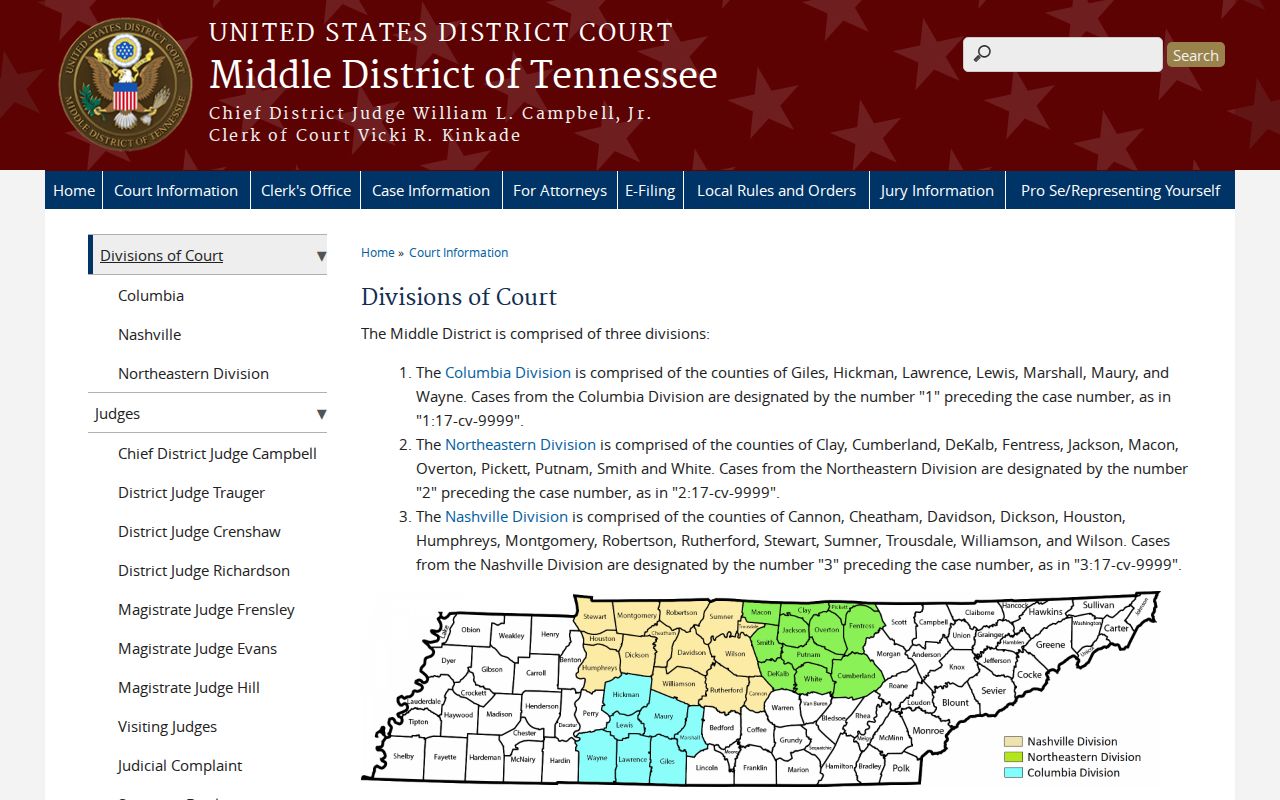
So a Lafayette federal filing runs through Cookeville for hearings, while mail filings follow separate federal clerk instructions rather than county ones. The official PACER pricing page spells out what the federal system charges.
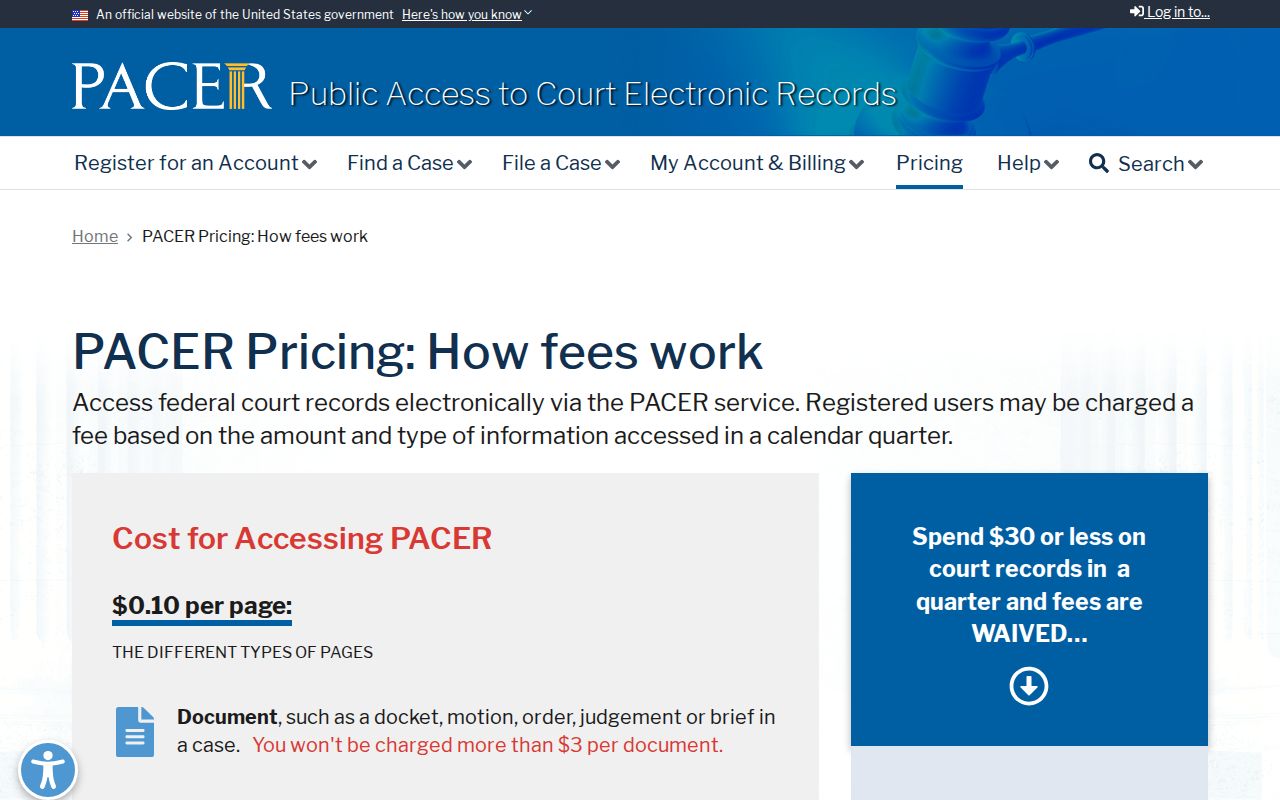
Those fees and account rules are strictly federal. They do not govern Lafayette municipal copy costs or what the Macon County clerk charges for its records.
When Lafayette Court Records Are Missing
A no-hit county search does not mean no Lafayette record exists. The case could sit in municipal court, Chancery, Juvenile, an appellate court, the federal system, an archive, or under a sealed file or a different identifier. Call the matching office and check the court line before giving up.
No city result? Lafayette has no verified public city docket search, so direct contact is the expected first step for a municipal record.
For county Circuit or General Sessions records, call 615-666-2354. Chancery uses 615-666-2000, and Youth Services uses 615-666-2373. Ask whether the office takes counter, mail, fax, or electronic requests. Lafayette city court publishes no request packet. Build each request from facts a clerk can actually check: the full citation or case number, the Lafayette court name, the date on the notice, and the exact document or event you need. Without a number, add the filing year and the party name as it appears in the record. Ask the Lafayette clerk to distinguish an inspection from a copy request. Ask also about a plain copy versus a certified one.
The county portal has one more wrinkle. It runs a Turnstile challenge before Find Now works. Failing that screen says nothing about the case itself. Skip the repeated broad searches and use the clerk counter or phone instead. No courthouse terminal is confirmed either, so ask before planning an in-office electronic search.
Who Can See Lafayette Court Records
Public access in Tennessee starts with Supreme Court Rule 34, subject to records shielded by rule, statute, or court order. Juvenile material carries extra limits under Rule 114. A Lafayette clerk can withhold sealed, confidential, protected, or personal information while still releasing the public parts.
Key rules:
Tennessee Supreme Court Rule 34 sets the court-record access framework and protected categories.
Tennessee Rule 114 governs confidentiality and qualified openness in juvenile matters.
Tennessee Public Records Act guidance explains general inspection, response, policy, and fee concepts.
Request the exact Lafayette docket entry, order, judgment, or copy. Ask about certification, cost, delivery, and timing. Lafayette city court sets out no official copy fee or turnaround promise. Get those numbers from the clerk directly. A screen result and an official copy are not the same thing. The county portal terms say online information may change. It is not the clerk's official record. When a Lafayette date, judgment, status, or balance will drive your next step in the case, verify it with the office that keeps the original.
Access also depends on the record, not just the courthouse. A public docket may list an event. An exhibit, juvenile filing, sealed order, or protected data may stay out of public view. The Lafayette clerk can identify the public portion and explain the lawful request route. And absence from a search is never proof that a Lafayette case did not exist.